
Human-Centered Interior Design — Space Is Not a Backdrop
- Ekaterina Baklan

- 3 days ago
- 6 min read
Updated: 1 day ago
State as a New Form of Luxury
How human-centered interior design is redefining luxury — and why design is increasingly about how we feel
Most spaces today look better than ever — and yet, somehow, feel worse. This is not a contradiction. It’s a design problem.
We’ve optimized how spaces look. We rarely question how they affect us.
We’ve been taught to see it as a backdrop — or a tool for displaying status. In reality, it is one of the primary forces shaping how we feel, interact, and move through everyday life — often far more than we notice. Whether it’s a home, a restaurant, or the urban environment, space becomes the first context in which a person encounters the world.
In our work across private and commercial interiors, we see this constantly.
Clients rarely ask for “state,” but they react to it immediately.
This is exactly what we design for.
This is the foundation of human-centered interior design.
This is the difference — between a space that impresses and a space people don’t want to leave. “I want to stay here.” Part of this can be explained through professional tools — scale, proportion, volume, light, materials. But there is always something beyond technique.
A space can be visually flawless — and still fail to create calm, hold attention, or provide support.
Because space is not only what it looks like. It’s what it does to the body.
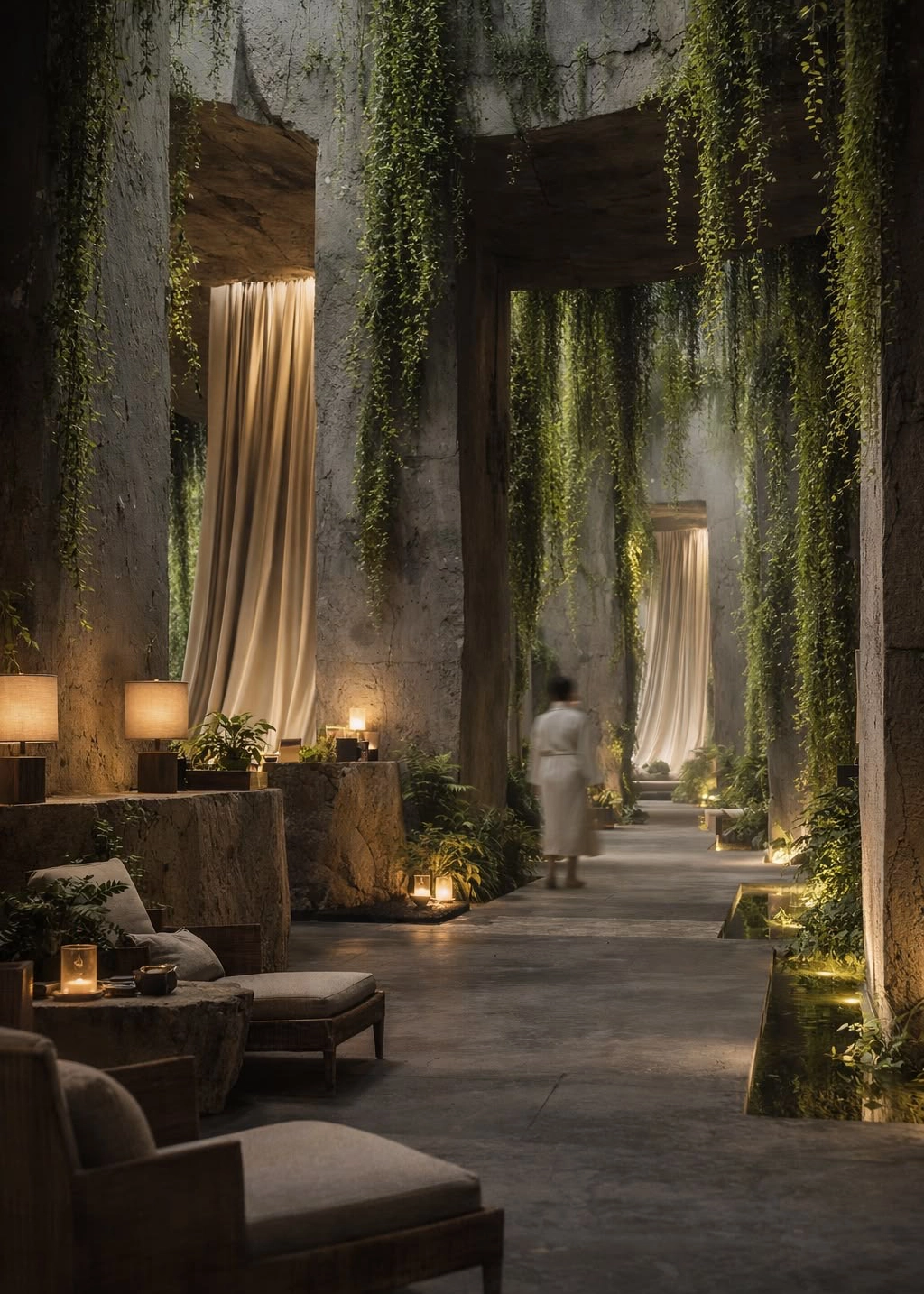
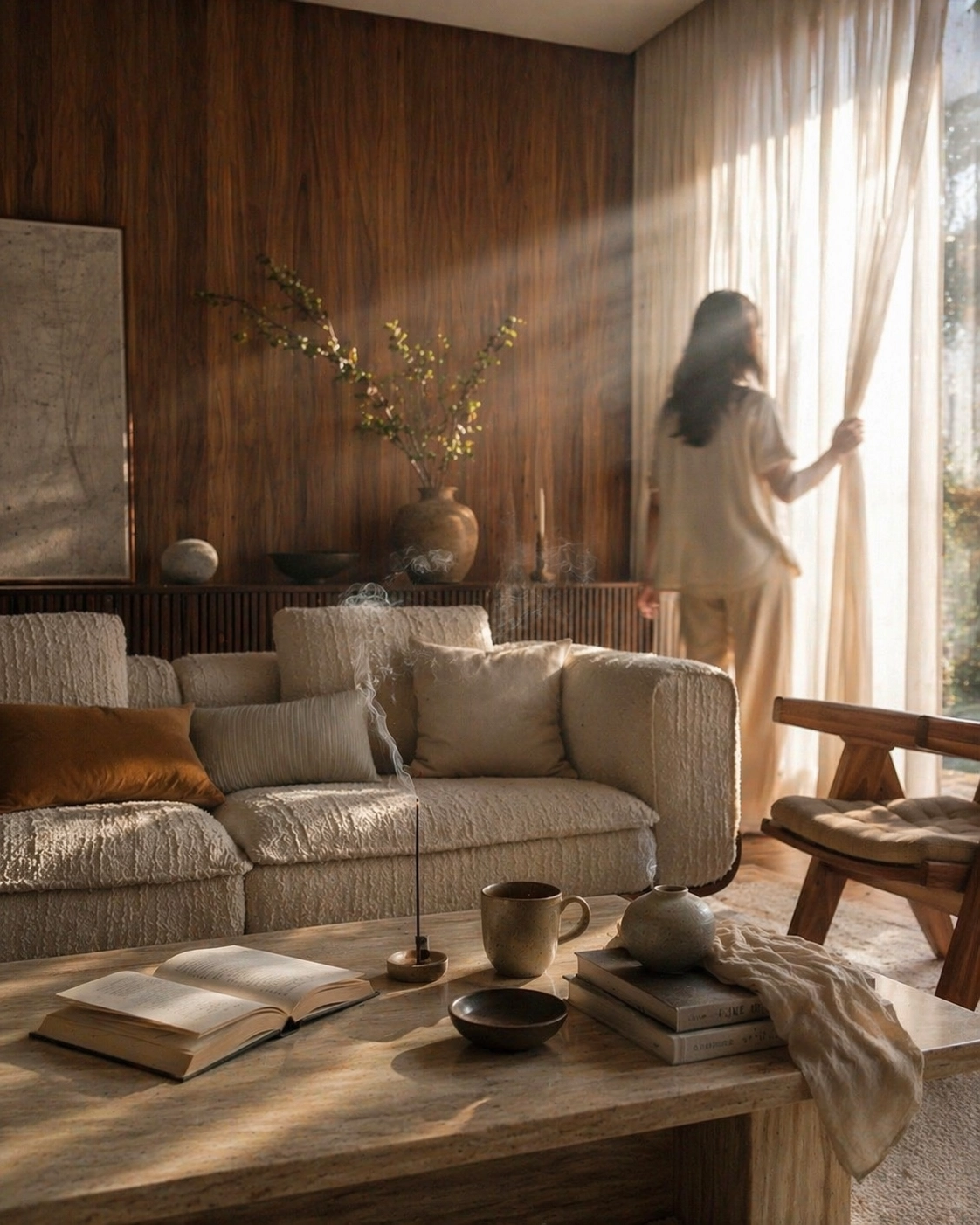
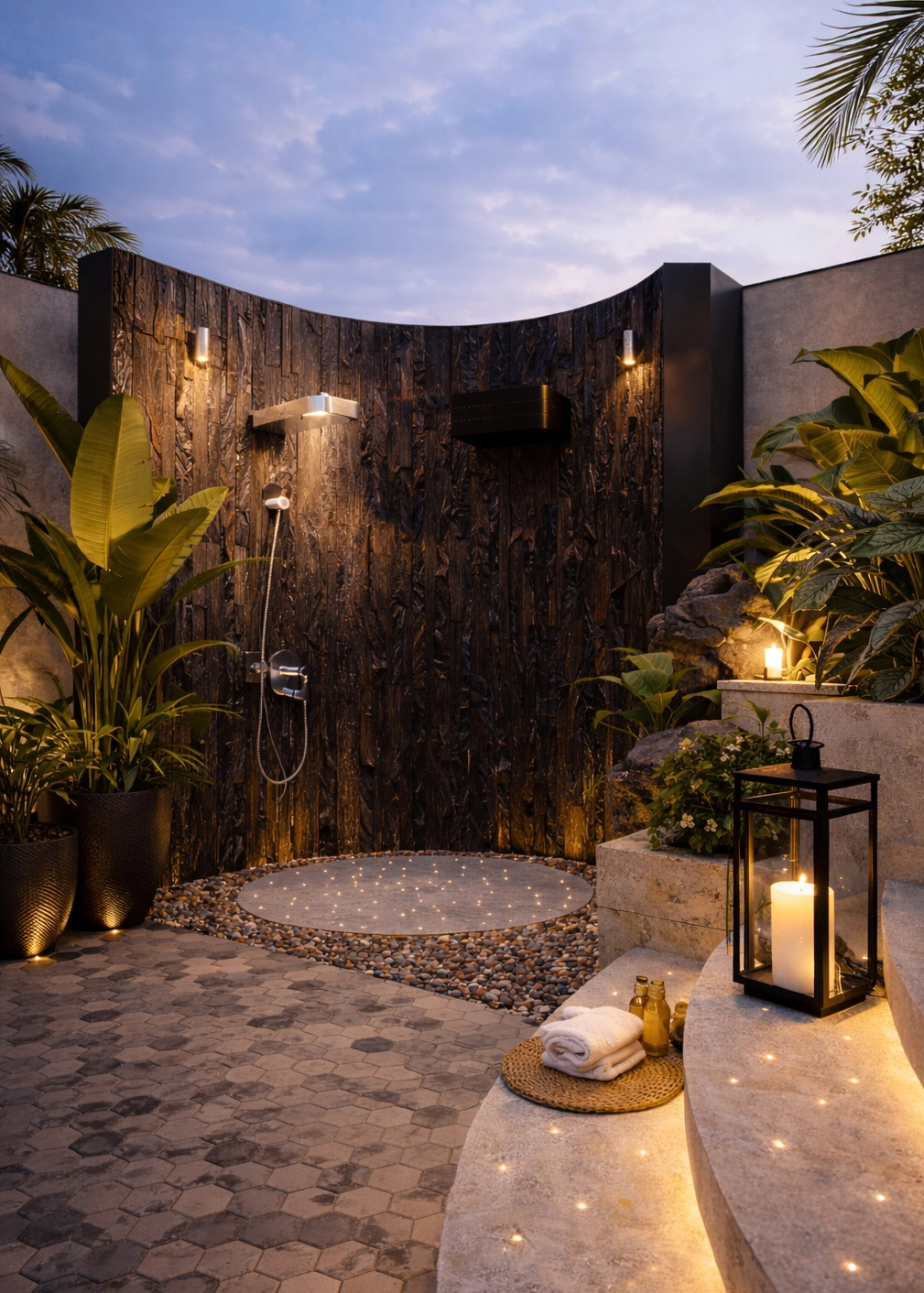
The gap between “looking good” and “restoring”
For decades, the idea of a “high-quality” interior was closely tied to luxury. To live well meant to live in an expensive space. And an expensive interior became a symbol of well-being — and, by extension, happiness. This created a stable visual code: interior as display. Materials that “look expensive,” layered compositions, dense detailing — often even in small spaces. The interior becomes an image that needs to be maintained, rather than an environment that supports the person living in it. And this is where the gap becomes clear:
most spaces are designed to look good — not to restore.
The invisible layer of the environment
With the rise of modern materials, this gap has only widened. Since the mid-20th century, the chemical industry has made interiors more accessible and technologically advanced. Plastics, PVC, acrylics, polyurethanes, synthetic textiles — all expanded the possibilities of design. But they also reshaped the invisible background of everyday life.
Today, we talk more about the body — nutrition, metabolism, hormones.
Yet we rarely question the environment that body exists in.
The paradox is simple: we optimize what we eat and how we sleep, while spending hours in spaces filled with low-quality foam, synthetic surfaces, and air saturated with material emissions.
Many of these compounds are known as endocrine disruptors — substances that interfere with the hormonal system. This is not about fear or rejecting modern materials.
It’s about understanding cumulative impact — and making more conscious decisions.
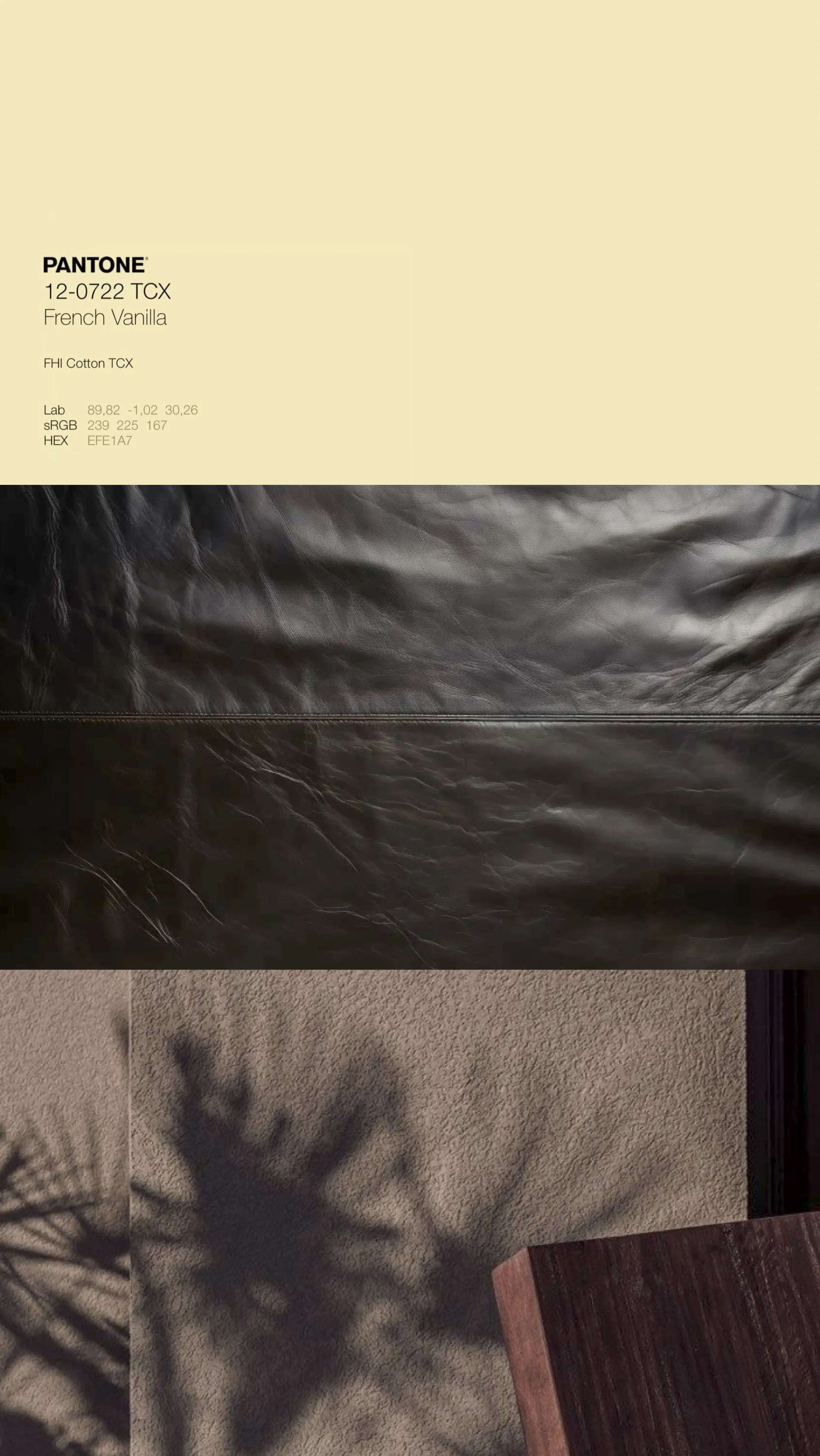
Beyond biology: the nervous system
The influence of space is not limited to biology. It directly affects the nervous system.
Modern environments are becoming denser — an accelerated pace of life, urbanization, digital overload, constant stimulation. This is reflected even in spaces considered comfortable:
hotels where the smell of carpet never fades,
restaurants with carefully calibrated lighting that still leave you feeling tired —
sometimes because of microflicker we don’t consciously register, but the body perceives.
You may not notice it. Your body does.
In response, interest in recovery is growing — in practices that don’t take energy, but return it.
And in that search, people inevitably return to their primary environment: the home.
A new form of luxury: state over image
This is where the shift happens.
If luxury was once defined by visual and material qualities,
today it is increasingly defined by the quality of state.
Silence.
Light.
Air.
Tactility.
Sleep.
A space you don’t need to recover from becomes a new form of luxury.
Luxury is no longer about what impresses. It’s about what supports you. It also changes the role of design — from display → to support.
From “new” to “how it feels”
It’s important not to dismiss the desire to live beautifully.
The current visual environment is the result of a natural historical shift. In a relatively short time, society moved from functionality to visual expression. A “beautiful interior” became a symbol of a new life — and a new perception of quality. But today, the criteria are changing.
If “a better life” was once associated with visual signals — new materials, gloss, the effect of a “fresh renovation” — now a different question is emerging:
How does this space affect me?
Behind the feeling of “new” are very real physical factors: the smell of adhesives, paints, synthetic coatings, the quality of light, acoustics, and microclimate. What once signaled renewal is now increasingly perceived by the body in a different way. The idea of a “better life” is becoming less about appearance — and more about how a person feels inside the space.
Safety is no longer a concept. It becomes a real state — both psychological and physiological.
A space where you can exhale. Where the environment does not overwhelm, but supports you.

Wellness as a language of space
Recovery is no longer a separate practice — it is becoming part of the environment itself.
It is moving beyond medicine and integrating into architecture, hospitality, and urban design.
Space is no longer neutral. It actively shapes how we feel.
And yet, this idea is not new. In many cultures, recovery through environment existed long before the term “wellness.” In Eastern European and post-Soviet contexts, one of the most fundamental examples is the banya — not just as a function, but as a ritual. Temperature, humidity, scent, tactility — all work together as a system. In this sense, we are not catching up with a trend. We are returning to something that was always there — now understood differently.
Principles of human-centered interior design
Recovery through space is not abstract. It is a set of tangible decisions. Light aligned with circadian rhythms — access to daylight, a softer evening spectrum, adaptable scenarios. Materials that reduce chemical load — a conscious selection of finishes and textiles. Acoustics that directly affect fatigue. Air and temperature that support recovery through ventilation, humidity, and overall environmental quality.
Sensory safety emerges from the absence of overload — from scale, visual density, and tactile experience. A feeling that the space does not press on you — but holds you.
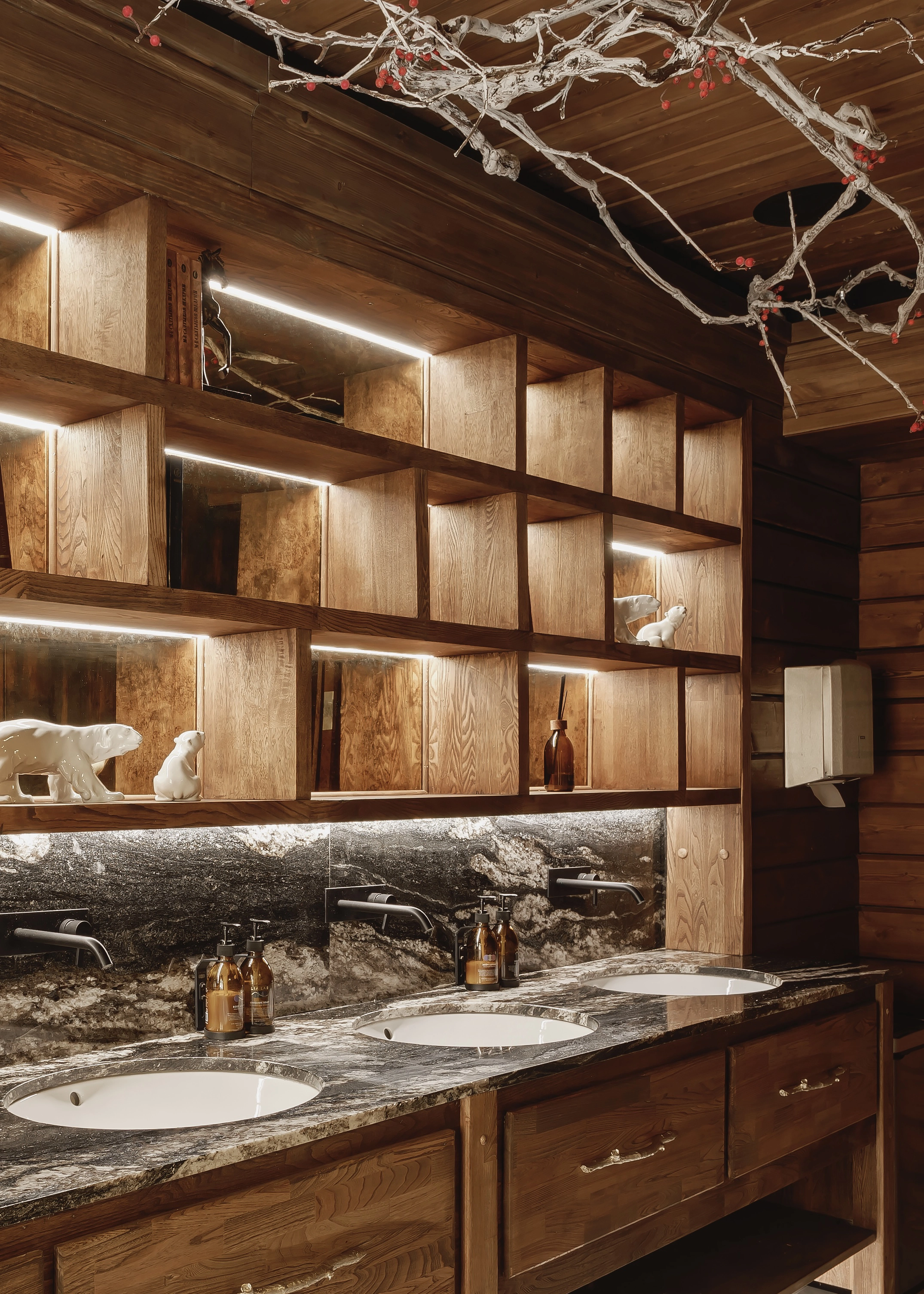
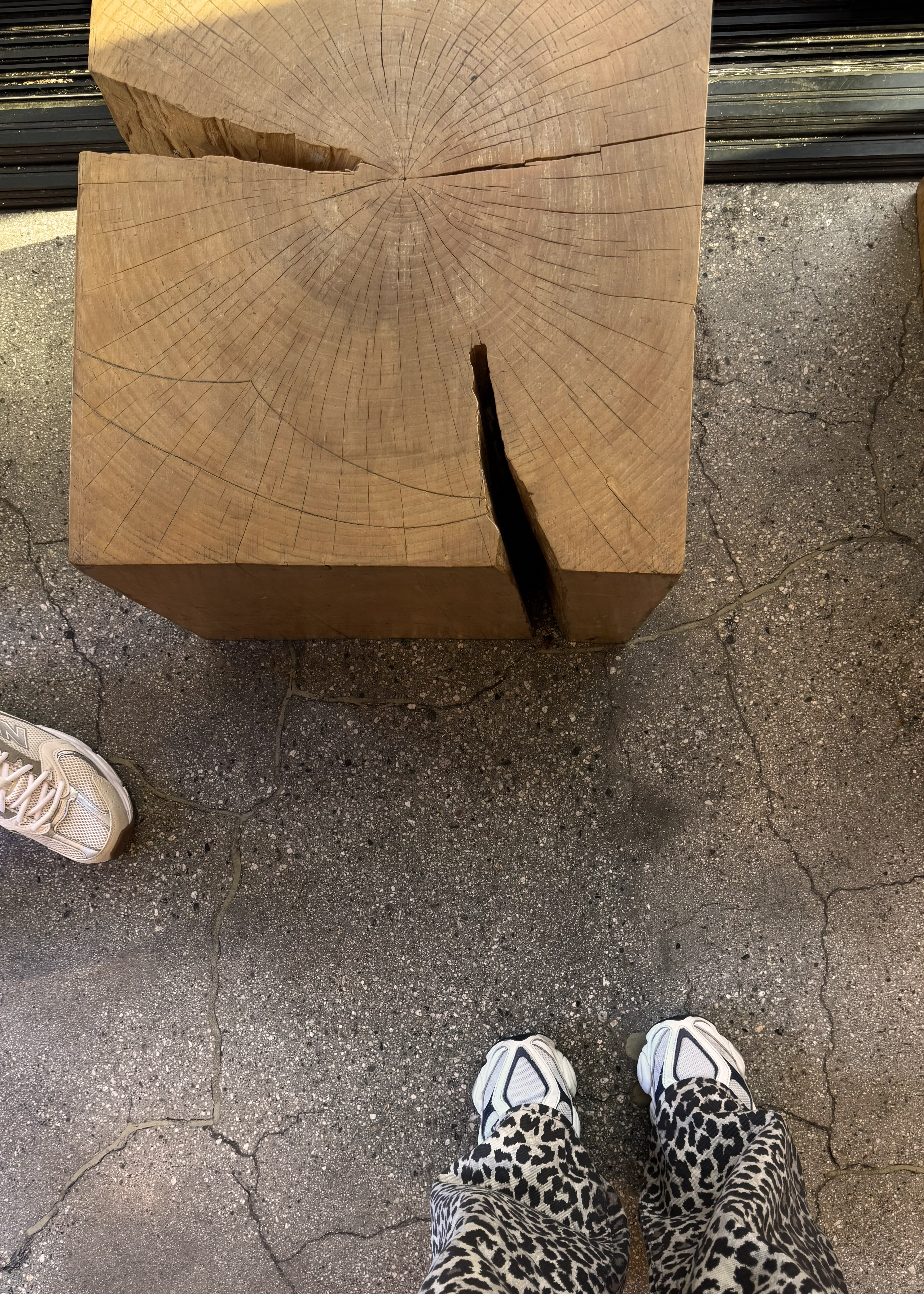
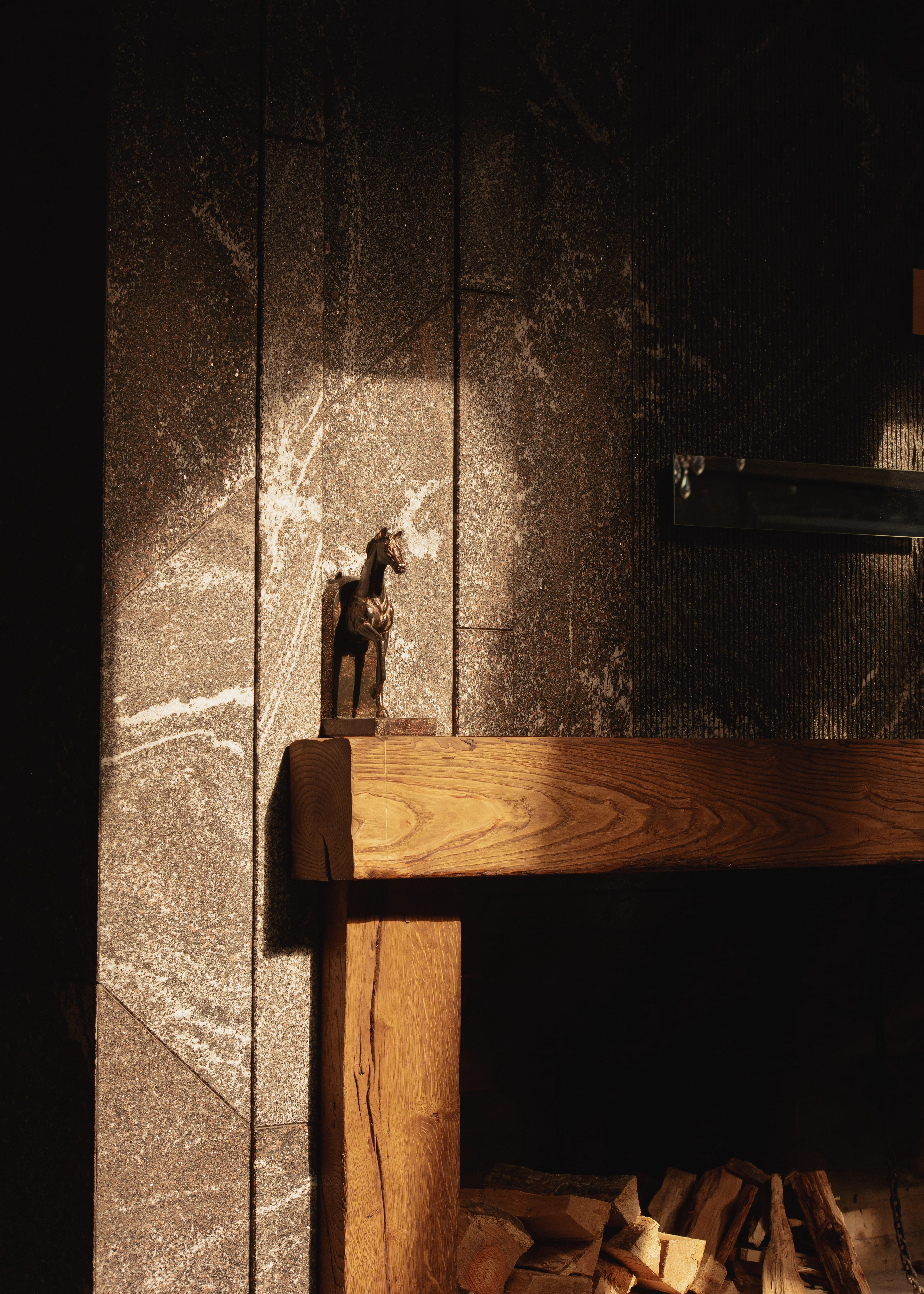
How this translates into design
In practice, this shift changes how design decisions are made — from materials to light to spatial rhythm. For a long time, design was trained to impress. Today, that is no longer enough. Space is no longer designed as an image. It is designed as a system — where every element contributes to everyday well-being. Human-centered design does not mean sterile or neutral interiors. Individuality, emotion, and expression remain essential. But they are complemented by another layer:
Does this space support the person — or drain them?
This is not a rejection of aesthetics. It is its evolution.
The role of the designer: tuning into the human
Over time, the role of the designer changes.
You begin to listen not only to words, but to what lies beneath them — emotions, pauses, memories of spaces people try to describe. Most clients don’t formulate their needs in design terms. But their responses reveal them. In this sense, design becomes a precise act of tuning into a person. The work shifts from form → to lived experience.
We design not only objects, but scenarios: movement, light, rhythm, and the feelings that emerge along the way. Because a space can be beautiful — and still draining. Functional — and still create tension.
This is why design is increasingly connected to what can be called the architecture of safety — an environment where a person can exhale.
What comes next?
Most synthetic materials shaping our environment appeared only 60–80 years ago.
For evolution, this is a moment. For the body, it is a cumulative load.
We’ve learned to pay attention to food, sleep, and air. The next step is environment.
The criteria of quality are shifting:
from size and cost → to impact on human state.
A new type of space is emerging — not built for display, but designed to work with the human system. In the coming years, we may begin to perceive familiar environments differently —
not because they disappear, but because the body becomes less willing to accept them. And spaces that allow us to exhale and recover will become the new standard.
We are used to evaluating space with our eyes. But the body reads it first.
We think we design space. But in reality — it designs us.
If design was once a language of form, today it is becoming a language of state.
And perhaps the most important question is simple:
What happens to a person when they are inside it?


Comments